
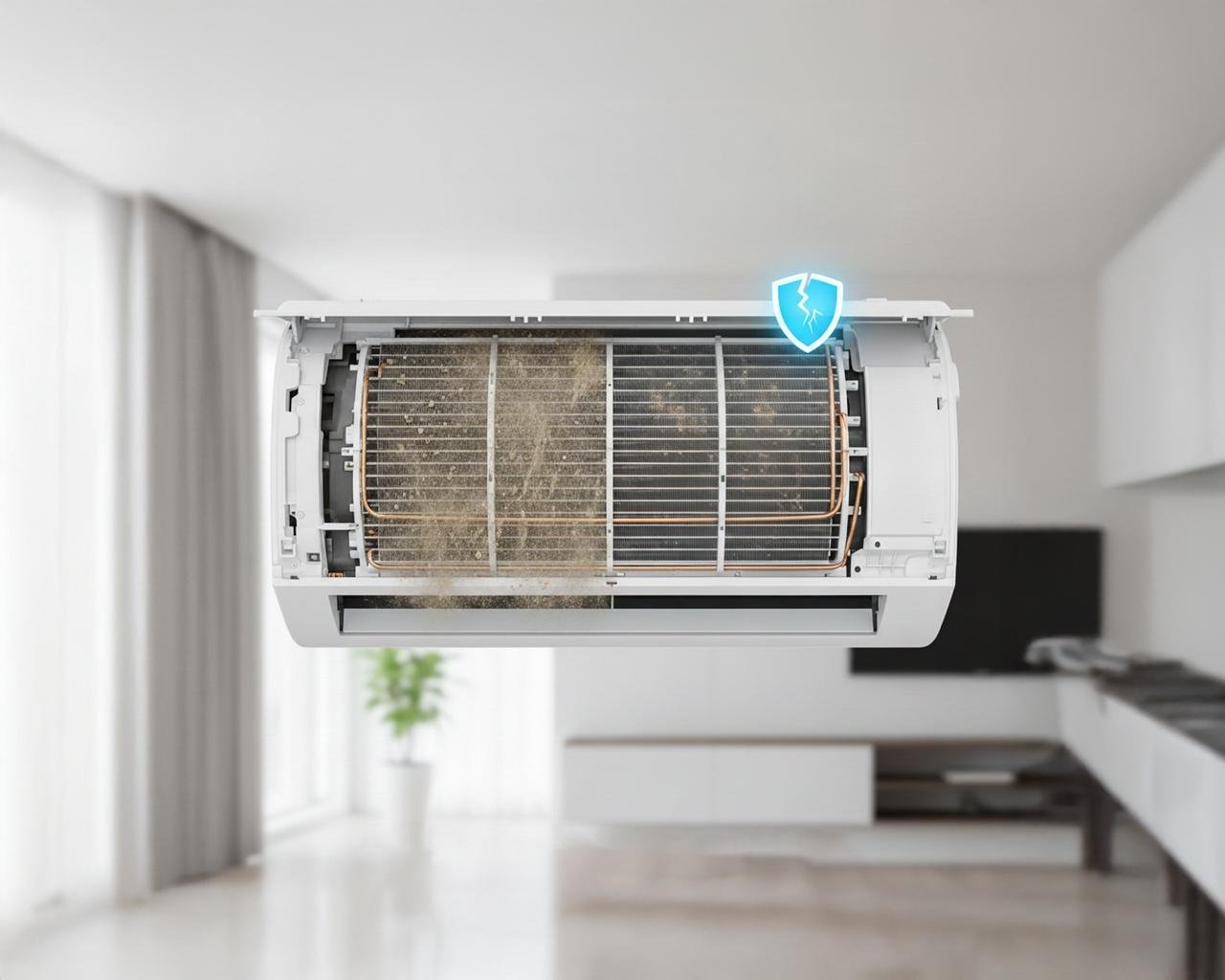
AirConditioner Coat (FBq301)
Anti-fouling antibacterial solution for air-conditioning systems
Feibo’s self-cleaning antibacterial coating is developed specifically for AC fins and internal systems. Using nano antibacterial and surface-functionalisation technology it stops bacteria and mould, reduces pollution sources inside the system and improves indoor air quality.
Fewer repeat cleanings, longer equipment life, safer and healthier air.
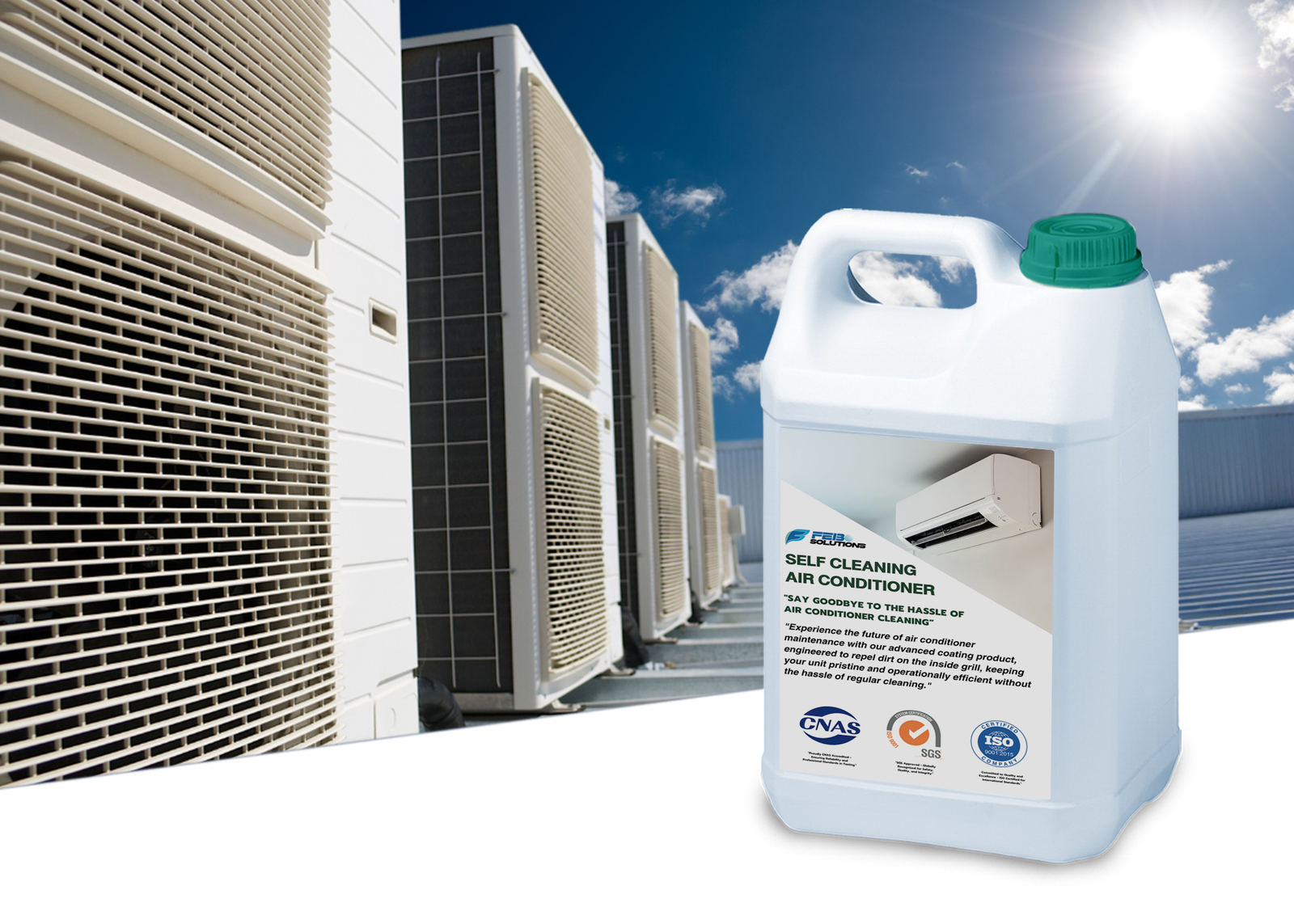
Self-cleaning antibacterial coating
Product features:
Nano antibacterial functional layer that stops bacteria and mould growth
Ultra-thin transparent coating — no effect on heat transfer or equipment operation
Forms a dense protective film, reducing contaminant adhesion and regrowth
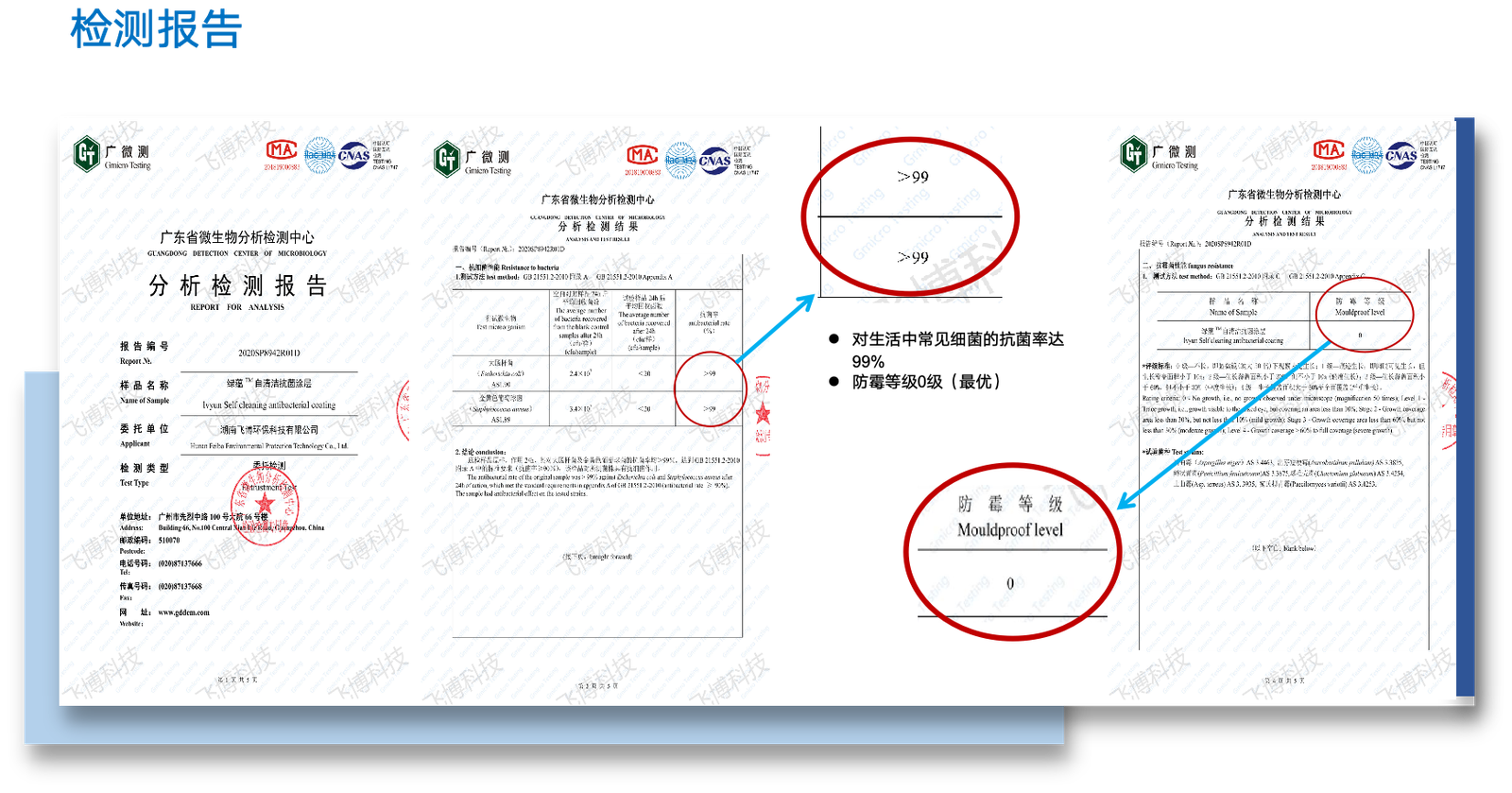
Antibacterial rate ≥99%, continuously lowering microbial risk
- Anti-fouling — less odour
Functions:
Antibacterial, anti-fouling, odour reduction, better air quality
Typical uses:
AC fins and internal metal parts — less bacterial growth, fewer pollution sources, better indoor air.
Main ingredients:
Inorganic silicon oxides, functional antibacterial materials, organic polymers
Functions and performance
Antibacterial function
Antibacterial:
The coating forms a nano-scale antibacterial layer on the fins that stops bacteria, mould and common pathogens; antibacterial rate above 99%, continuously lowering microbial risk.
Control at the source:
During operation, fewer bacteria spread with the airflow, lowering the risk of secondary indoor air pollution — safer air for crowded spaces.
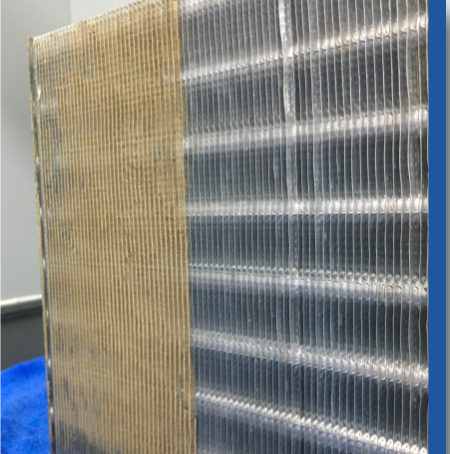
Laboratory evaluation of fin anti-fouling performance shows that without cleaning, bacterial counts on air-conditioner fins rise sharply within a month. With the self-cleaning antibacterial coating applied, the antibacterial rate on the fins is above 99%.
| Total viable bacteria (per mL) | After 1 week | After 1 month | After 6 months | After 1 year |
|---|---|---|---|---|
| Before cleaning | 5.83×10⁶ | 1.19×10⁷ | 1.46×10⁷ | 2.06×10⁷ |
| 30 min after cleaning | 381 | 1,560 | 3,578 | 9,360 |
| After coating (antibacterial rate) | >99.91% | >99.85% | >99.52% | >99.13% |
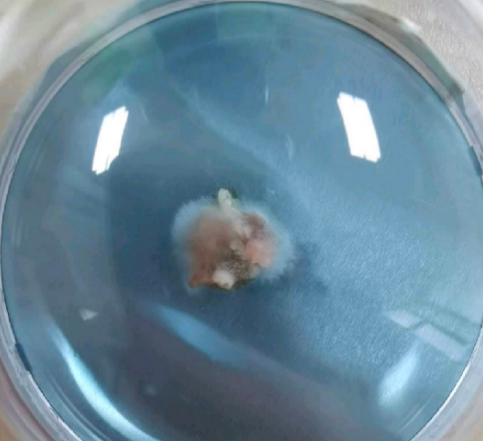
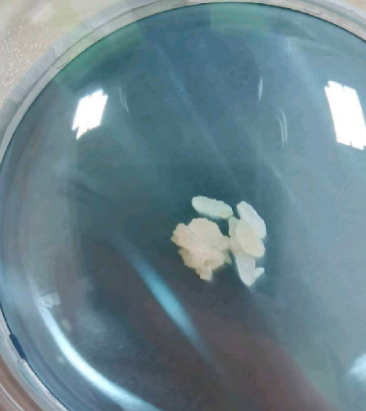
Super-hydrophilic self-cleaning
Super-hydrophilic self-cleaning:
The coating sharply lowers the water contact angle on the metal fins, so condensate spreads into a film that carries dust and contaminants away — assisted self-cleaning during operation.
Anti-fouling:
Resists adhesion of oil, organic pollutants and water marks on the fins, keeping the inside of the unit clean and extending stable operation.
Anti-fouling
Anti-fouling:
A dense protective film on the fins lowers the adhesion of dust, particles and contaminants and reduces build-up.
Lower maintenance burden:
In accelerated dust-environment tests the coated area showed clearly less deposition, reducing cleaning frequency and slowing performance decline.
Test data and performance verification
Industry pain point 1
- Sampling in more than 60 cities found a serious AC-duct pollution rate of 47.11% and a pass rate below 6.12%.
- Dust and bacteria above limits inside AC units are common — a hidden pollution source.
- Without continuous protection, a running AC keeps releasing pollutants into the room.

Industry pain point 2
- Household sampling shows bacterial growth rising sharply in summer and fungal contamination worse in winter.
- Routine cleaning focuses on the filter mesh and ignores the fins, where dirt hides most.
- Non-removable fins become the main long-term breeding ground for harmful microbes.
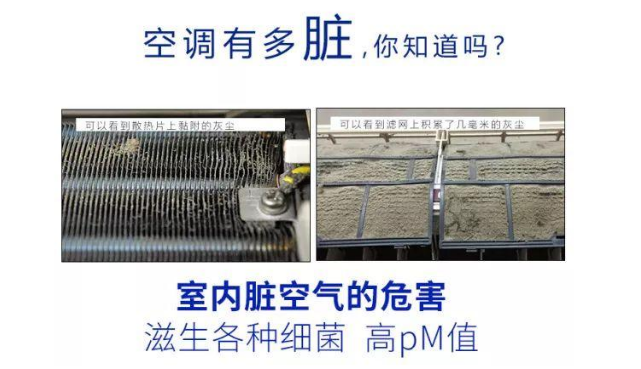
Industry pain point 3
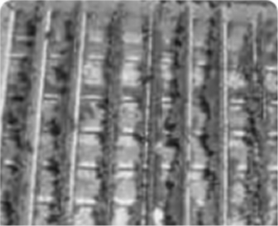
- More than 80% of AC fins have bacteria or mould far above the limit.
- Bacterial counts reach dozens of times the national standard — close to 100× in some samples.
- Legionella, mould and Staphylococcus aureus have all been detected inside AC units.
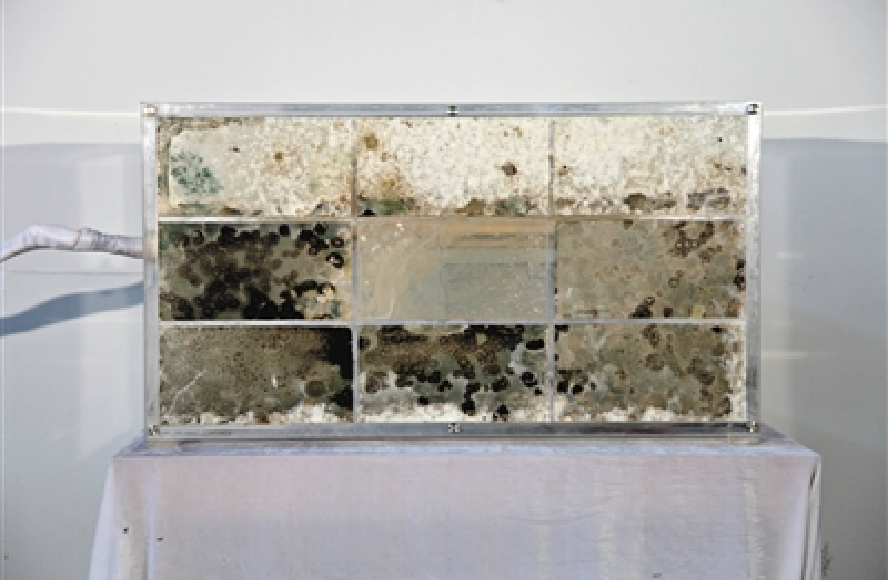
Industry pain point 4
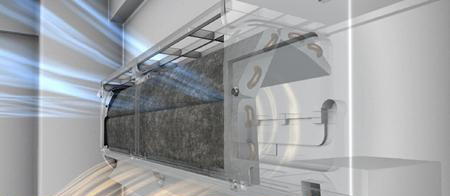
- Bacteria and mould on the fins spread into indoor air through the supply system.
- Long-term exposure can trigger coughing, asthma, respiratory infection and skin allergies.
- Infants, pregnant women, the elderly and people with weak immunity are most at risk.
How we apply it
We follow a standardised antibacterial application process for AC systems so every project delivers reliable antibacterial and anti-fouling results. A typical process:
Site survey and equipment assessment
Technicians inspect the AC system on site, assess fin contamination and equipment condition and confirm feasibility and the application plan.
Preliminary contamination testing
Small-scale testing before full application confirms bacterial contamination and surface condition and sets targeted application parameters.
Deep cleaning
Fins and internal parts are deep-cleaned with specialist detergent to remove dust, oil and microbial residue, leaving a clean, residue-free surface.
Antibacterial coating spray
Once fully dry, the nano antibacterial coating is spray-applied evenly for complete, uniform coverage.
Ambient curing
After application the coating cures into a dense, stable antibacterial protective film firmly bonded to the fin surface.
Result confirmation and hand-over
Antibacterial performance and equipment operation are tested on completion, compliance confirmed and a full application report delivered.
AC growing bacteria again and again, air quality falling?
Feibo self-cleaning antibacterial coating stops bacteria and mould on the fins, reduces odours, cuts cleaning frequency and improves indoor air quality.
Our solution is proven in many public buildings and commercial settings — get in touch.